How to Visit Every European Microstate
So you’re in third grade. You’re looking at a map of Europe, and you notice something peculiar sandwiched between France and Spain, like a pea between two mattresses. Somehow, there’s a tiny country there. It’s called Andorra, and you show it to your classmates as if you’ve struck gold.
You decide to make Andorra part of your personality. You make your first email address epicandorra@gmail.com, you snag the alt username Andorra on Sporcle, and you do a research project on the country. You find out it’s co-led by two co-princes (one from France and one from Spain), that its economy subsists on tourism, and that these tourists tend to engage in the three S’s of activities (skiing, shopping, and smuggling).
Visiting Andorra yourself remains a pipe dream for many years. But then, shortly after you graduate college, your friend Justin will throw out an idea:
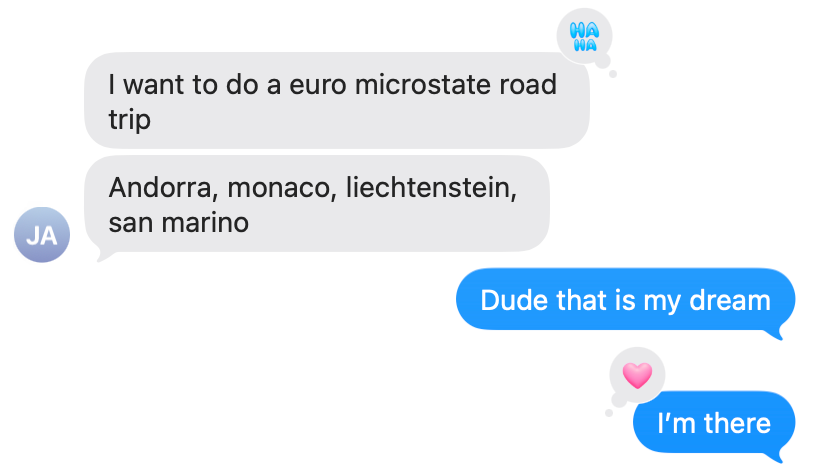
A lot of trips don’t make it out of the group chat. It might take 3 years, but it is very, very important that this one does.
The lay of the land
A microstate is a really small country. (It is not to be confused with a micronation, which is usually a self-proclaimed country with limited recognition, like Sealand or Slowjamastan. But you’d be forgiven for confusing the two, because whoever came up with that distinction must have been out to confuse people.)
The cutoff for what defines a microstate is arbitrary, of course. But in Europe, there are 6 countries that are significantly smaller in area than any other:
| Country | Area | Population |
|---|---|---|
| Vatican City | 0.17 mi² | 882 |
| Monaco | 0.77 mi² | 38,857 |
| San Marino | 24 mi² | 34,154 |
| Liechtenstein | 62 mi² | 41,237 |
| Malta | 122 mi² | 574,250 |
| Andorra | 181 mi² | 89,484 |
Of these 6 countries, 5 are full UN members, Vatican City being an observer state that’s widely regarded as an honorary country. By area, Vatican City and Monaco are the world’s two smallest countries, and all 6 are among the 17 smallest in the world. They’re all in the bottom 12 countries in the world by population, with the exception of the surprisingly populous Malta.
If you want, you can classify the 6 microstates into 4 different types:
- Vatican City and San Marino are enclaves, landlocked and entirely surrounded by Italy.
- Monaco is a semi-enclave, with a coastline on the Mediterranean Sea but bordered only by France.
- Andorra and Liechtenstein are sandwiched between two countries (Andorra between France and Spain, Liechtenstein between Switzerland and Austria).
- Malta is an island nation, surrounded by the Mediterranean Sea. Haters might say island nations can’t be microstates, but you can kindly point out that Malta is smaller in area than Andorra, which definitely counts.
Conveniently, these microstates are all vaguely in the southwest quadrant of Europe, making it not inconceivable to hit all 6 of them in one trip. You’ll have to go through some pesky macrostates in between, though.
What about Luxembourg?
Luxembourg is indeed the 7th smallest country in Europe, but at 998 mi², it’s more than 5 times larger than Andorra. It may be smaller than all its surrounding countries, but you can at least make it out on most maps. Honestly, the “x” in its name probably lends it an air of exoticism that makes people think it’s smaller than it actually is.
And anyway, you and Justin had both already been there.
The plan
The trip was initially pitched as a road trip. But after living in New York City for some time and generally becoming more transit-pilled, you and Justin decide to pivot: instead of renting a car and road-tripping through southwestern Europe, you’ll leverage the region’s robust network of intercity rail and buses (and one ferry). It’ll look less like a road movie and more like a season of Jet Lag: The Game.
Lucky for you, Justin is something of a pro traveler. He’s already been to over 50 countries (of which the only microstate has been Vatican City), and he’ll take any excuse to lock in and figure out some logistics. So he’ll gladly be the trip’s Logistics Guy, in charge of all things transportation and lodging.
You, on the other hand, are Food Guy, responsible for all things food and drink. You’re determined to eat the characteristic foods of every region and city you pass through, including the national dish of each microstate. You’ll scour the Michelin Guide (sorted by “Lowest price”), the New York Times 36 Hours series, and random Reddit threads to find the best restaurants and bars in each location. You can think of it this way: if Justin’s in charge of the rhythm of the trip, you write the melody.
So, as Logistics Guy is wont to do, Justin figures things out. The trip will last two and a half weeks. You’ll go in May, when it’s not too hot and not too cold. You’ll fly into Barcelona and out of Malta. He’ll find an outrageously cheap flight deal with an extremely tight 50-minute connection in Oslo on the way there and a random overnight layover in Copenhagen on the way back. He’ll make a meticulous spreadsheet breaking down train costs, determining that 7-travel-day Eurail passes will deliver optimal savings. He’ll book cheapish hotels. He’ll book buses to Andorra and San Marino, various train seat reservations, and the ferry to Malta. He’ll make a map.
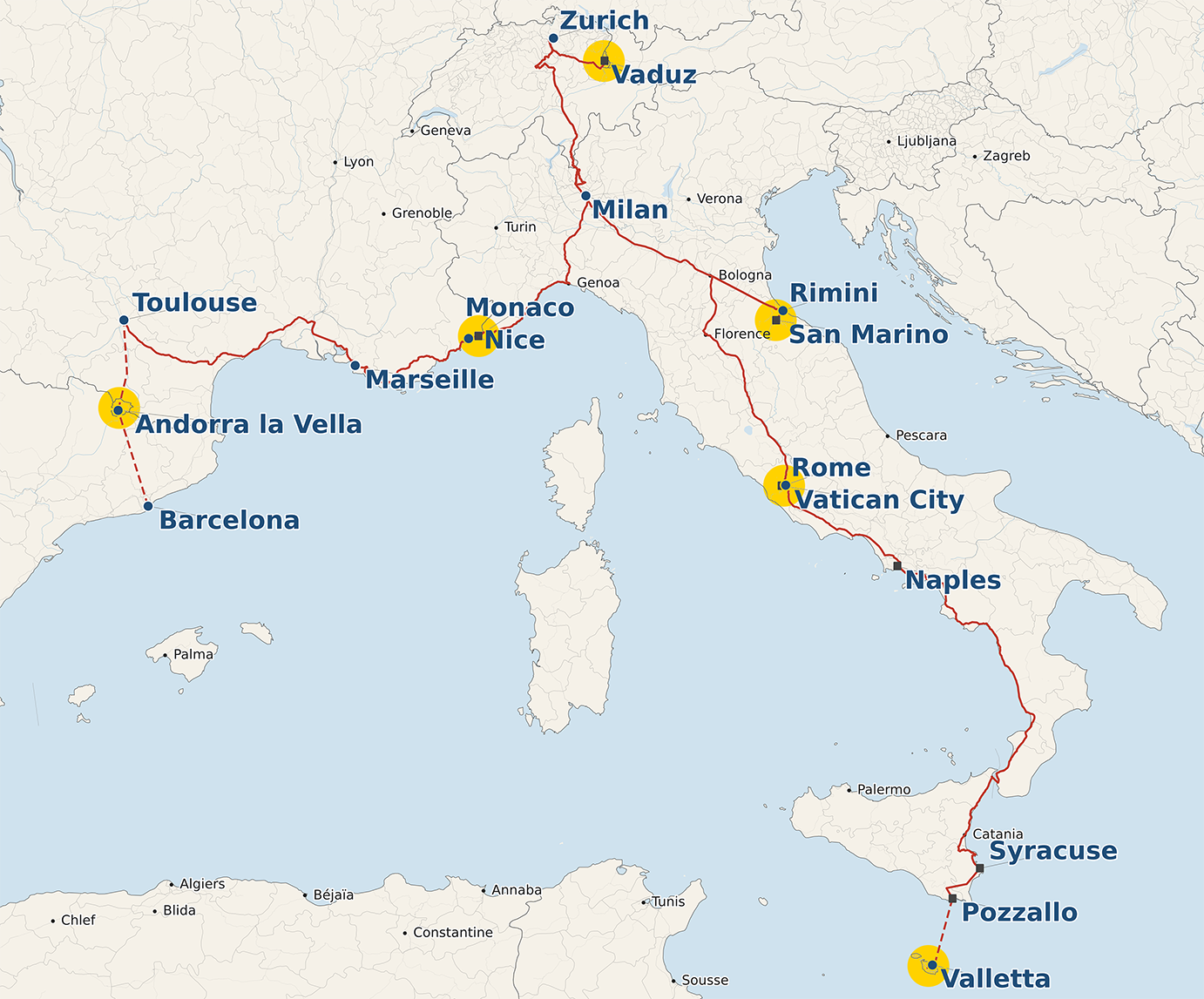
There’s just one rule to keep in mind. This is a microstates trip. You need to be micromaxxing. Everything else—Barcelona, Toulouse, Marseille, Nice, Milan, Zurich, Rimini, Rome, Naples, Syracuse—is just a sidequest.
The trip
Rise and shine. First, you narrowly make your dubious connection in Oslo by inching your way through a security checkpoint staffed by one woman (whom you dub Security Joan) and running to the gate. Now the hard part is over.
You make it to Barcelona, where you see the newly topped-out Sagrada Família, the arresting curves of Casa Batlló, and the views from Park Güell (Gaudí really has this city in a chokehold, huh). You eat some obligatory paella, tapas, and bocadillos de jamón ibérico. You get some very funky cocktails at Dr. Stravinsky. It helps here that Justin, in his numerous travels to the Hispanosphere, has also positioned himself as Spanish Guy (don’t worry, you’ll be in charge as French Guy soon).
Before you know it, you board a Direct Bus to the place you’ve been waiting 15 years to see.
Andorra
Area 181 mi² Population 89,484 Capital Andorra la Vella Largest city Andorra la Vella Official language Catalan National dish Escudella
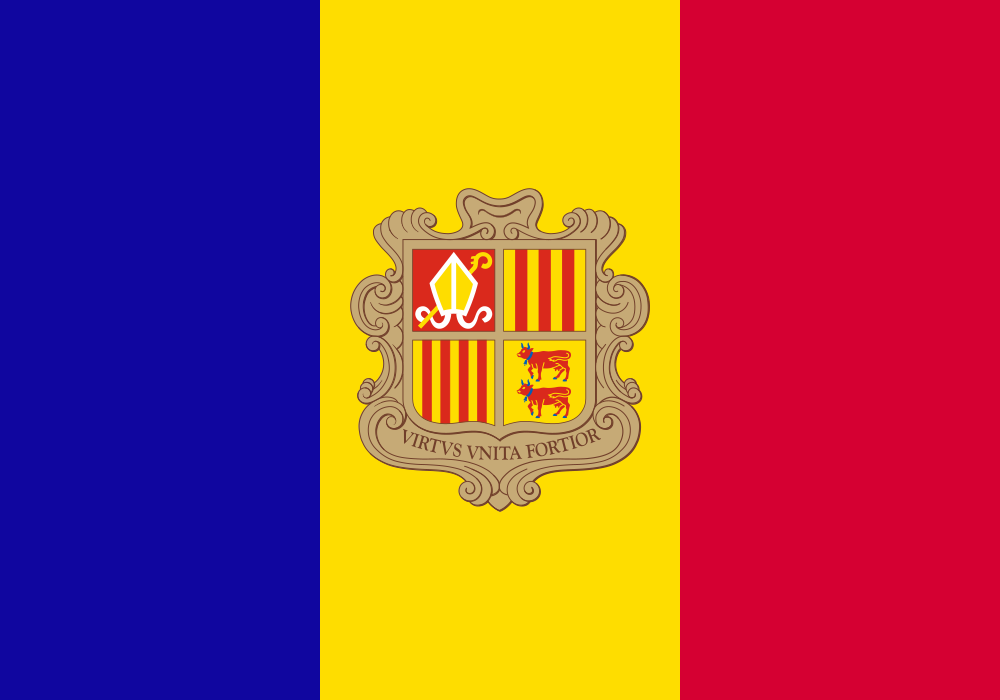
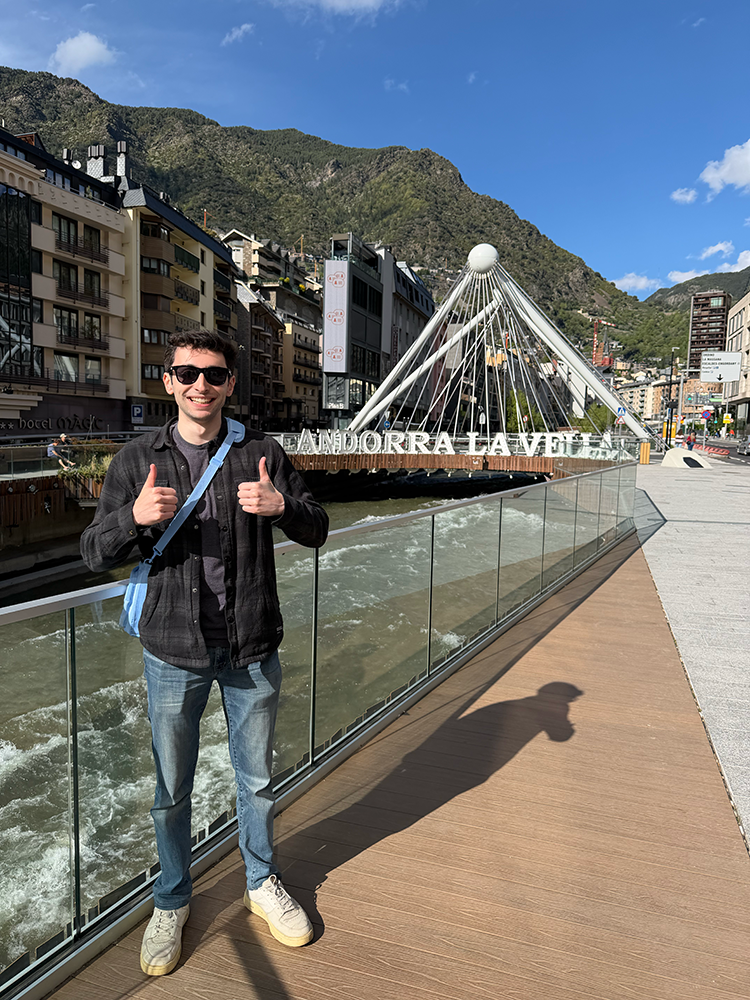
Welcome to the gem of the Pyrenees. You’re in the capital, Andorra la Vella (“VEH-lah?” “VAY-ya?” It seems like people say “VAY-ya”). The walkable city centers around a little river, the Gran Valira, and is flanked by towering mountains on at least two sides. You wonder if there’s more to Andorra beyond those peaks (Justin: “Yes”). Ostensibly, they speak Catalan here, but Spanish seems to be very much an operational language, at least far more than French. Passersby will greet you with the Catalan “bon dia” (“good day”). It’s the hottest 48ºF you’ve ever felt.
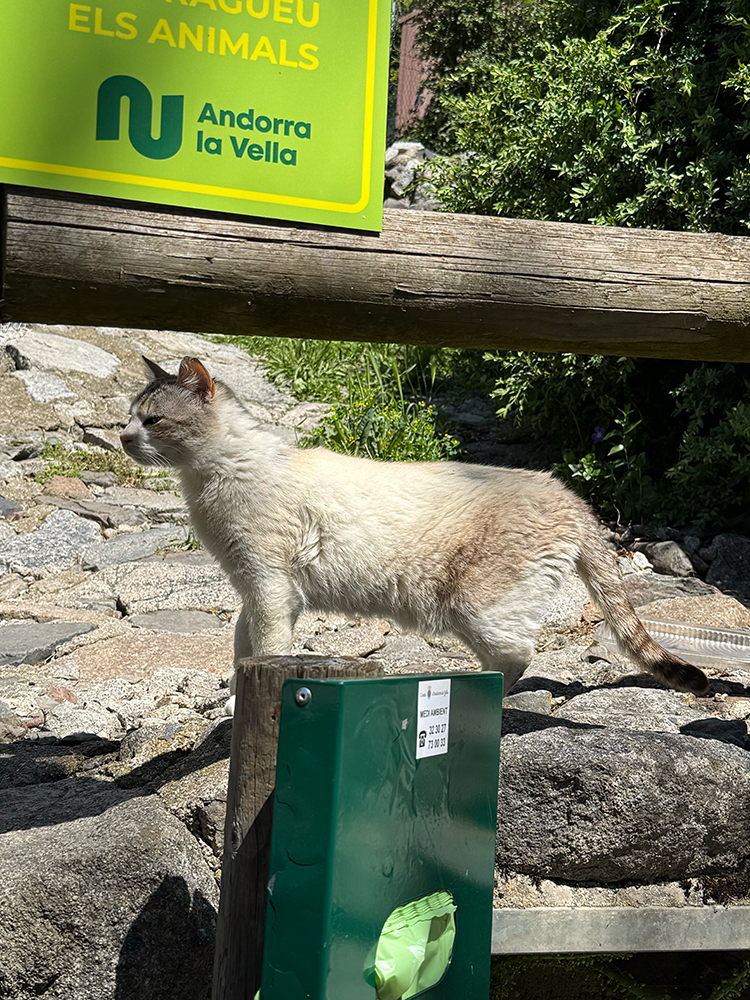
Around town, there’s a pretty heavily trafficked shopping drag filled with souvenir shops, liquor stores, and storefront windows with display cases of knives and guns. You remember, smuggling was one of those three S’s. Grocery stores sell combo packs of cigarettes and olive oil. There are billboards everywhere, including some cigarette ads (all with Andorran URLs on them, which aptly end in .ad). There’s public Wi-Fi on the streets. There is, somehow, an original Salvador Dalí sculpture (Dalí did sculptures?). You see the castlelike Casa de la Vall. You hike the Rec del Solà trail along the mountainside and encounter the colony of city-owned cats that just sorta live there.
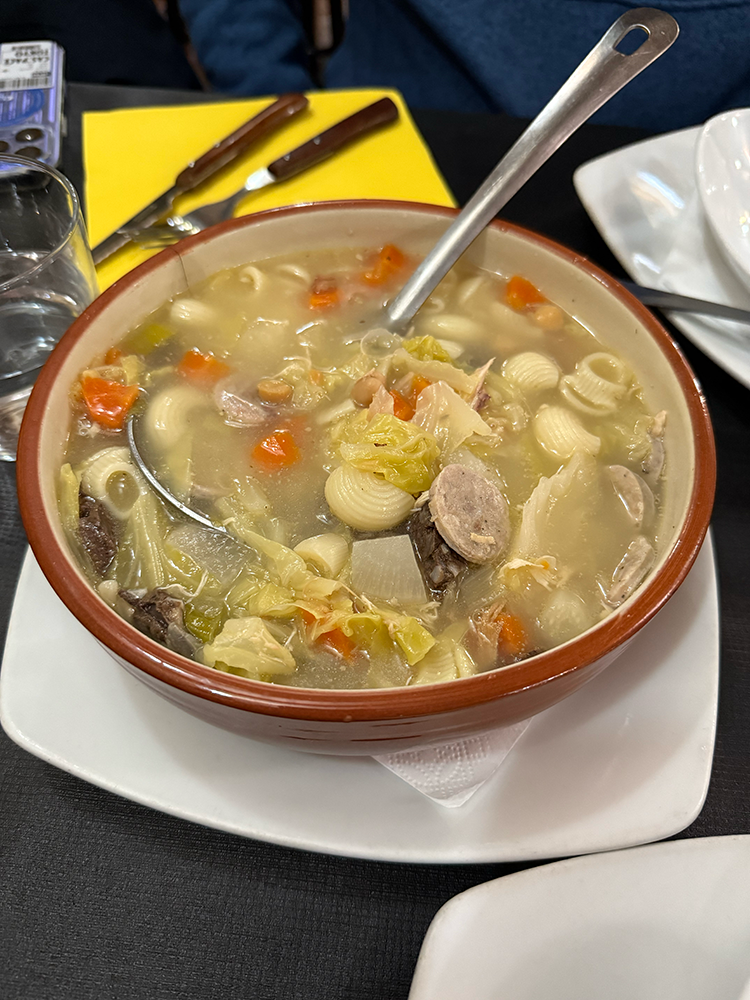
You find escudella—the noodle, meat, and vegetable soup that’s Andorra’s national dish—at Restaurant El Greco, which you think is in Andorra la Vella but is actually in the adjoining city of Les Escaldes. You and Justin agree it’s pretty much just a chicken noodle soup with blood sausage, but it’s not bad. You have a dessert of crema catalana, which seems to be the same as crème brûlée in all but name. You also try trinxat, the potato/cabbage/pork mash that seems to be a secondary national dish, in the form of tasty croquettes at La Gastroneta House.
After checking four different stores, you finally get your hands on a mini bottle of Ratassia de la Carmeta, an alpine botanical liqueur made in Andorra. You save it for later.
You take the AndBus up north. Andorra’s been good to you.
Now begins the jaunt across the South of France.
The bus drops you off in Toulouse, la Ville Rose, France’s aerospace hub. You make a million “we’ve got nothing Toulouse!” puns. You walk along the strikingly wide Garonne, you see the bust of Pierre de Fermat at the Capitole, you tour the Couvent des Jacobins and the impressive art collection in the Hôtel d’Assézat. There aren’t many tourists here. You have a banger jambon beurre at Le Détaillant, and you enjoy the Franco-Japonais menu du jour at Les Planeurs. You’re holding your own as French Guy, but having only solo-traveled in France before, you stumble when the cashier asks « ensemble ou séparément ? ».
After your SNCF train stalls for an hour in Arles, you spend a quick night in Marseille, France’s second most populous city. You have a great fish-focused small-plates dinner at Les Babines de Mars, where you also try panisses, Marseillaise chickpea cubes.
In the morning, you take another train. The water out the window is bluer than your camera can capture. You guess that’s why it’s called the Côte d’Azur. Welcome to Nice, the most popular tourist destination in the South of France, and the first place where you’ll stay for two whole nights.
You grab pan bagnats (effectively salade niçoise sandwiches) from Kiosque Tintin, and you pop into the single-artist museums of Henri Matisse and Marc Chagall. In search of more Niçard cuisine, you wind up at the somewhat-touristy-but-still-pretty-good Les Mimosas du Cours, where you have a proper salade niçoise, the beef stew called daube niçoise, and the chickpea pancake called socca. You figure out how to find Zitto Speakeasy and you have good bespoke cocktails there.
All of a sudden
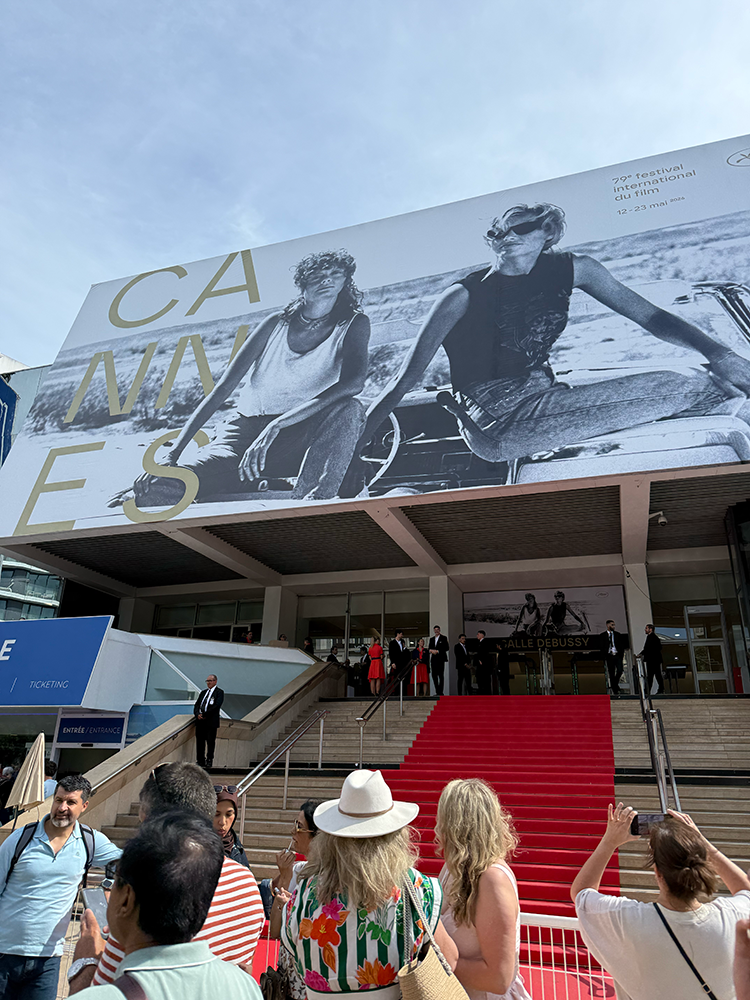
That afternoon, you recall that the 79th Cannes Film Festival is underway just a few train stops to the west. So, while Justin takes some work calls, you impulsively pop over to Cannes for an hour or two and scope it out.
You walk past sidewalk cafés where seemingly everyone has their Cannes lanyards on. You see the red carpet, and you see fans in the last-minute line with hand-written signs begging for tickets to the Teenage Sex and Death at Camp Miasma premiere. You play Where’s Waldo? for famous people, but you remember that Cannes is less for cast and more for crew. You pull out all the stops to try to legitimately get a one-day ticket or press pass, successfully get past security and reach the registration desk, but are politely told that you would have needed to work in the film industry or register in advance. You probably should have thought this through.
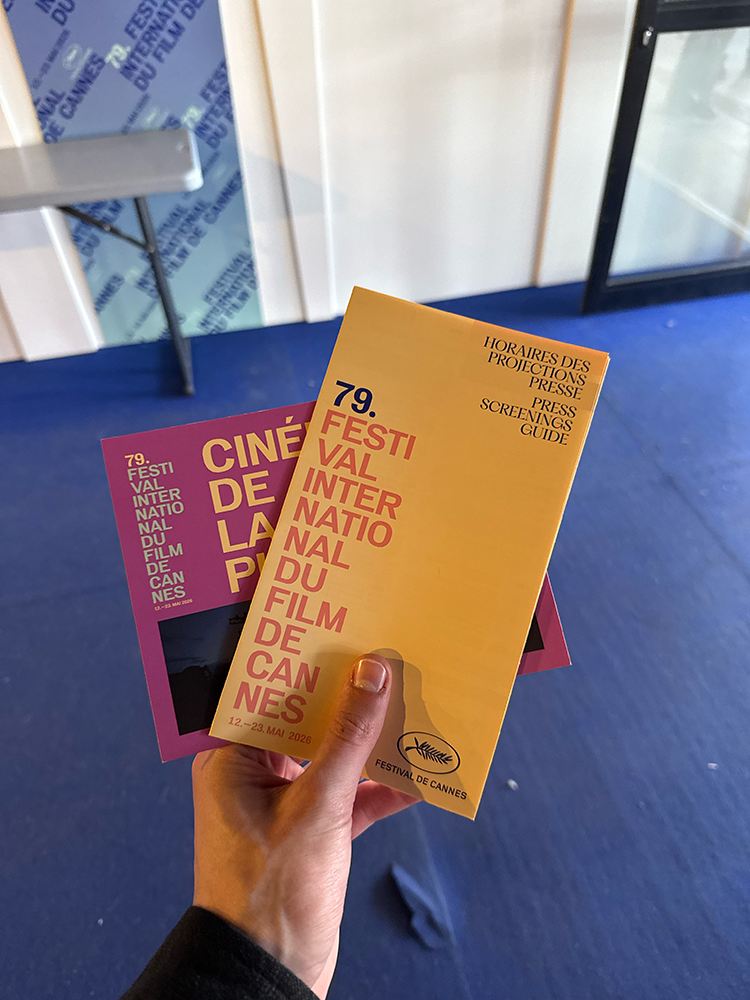
You met zero celebrities and you saw zero movies. But you head back to Nice with a few Cannes press pamphlets in tow.
Well, that was Nice. Tomorrow, you’ll take the train to another nearby coastal city. But you won’t be in France anymore.
Monaco
Area 0.77 mi² Population 38,857 Capital Monaco Largest city Monaco Official language French National dish Barbajuan
The first thing you notice when you get to Monaco is that it’s an extremely three-dimensional place. The train station is buried underground, and buildings rise up cliffs and hills to give the whole country a diagonal footprint. You figure that’s how they fit almost 40,000 people here (which makes Monaco the world’s most densely populated country).
You have the best of the trip’s many pistachio croissants at Casa Del Caffè. Everyone here speaks French, but the Italian influence is starting to seep through.
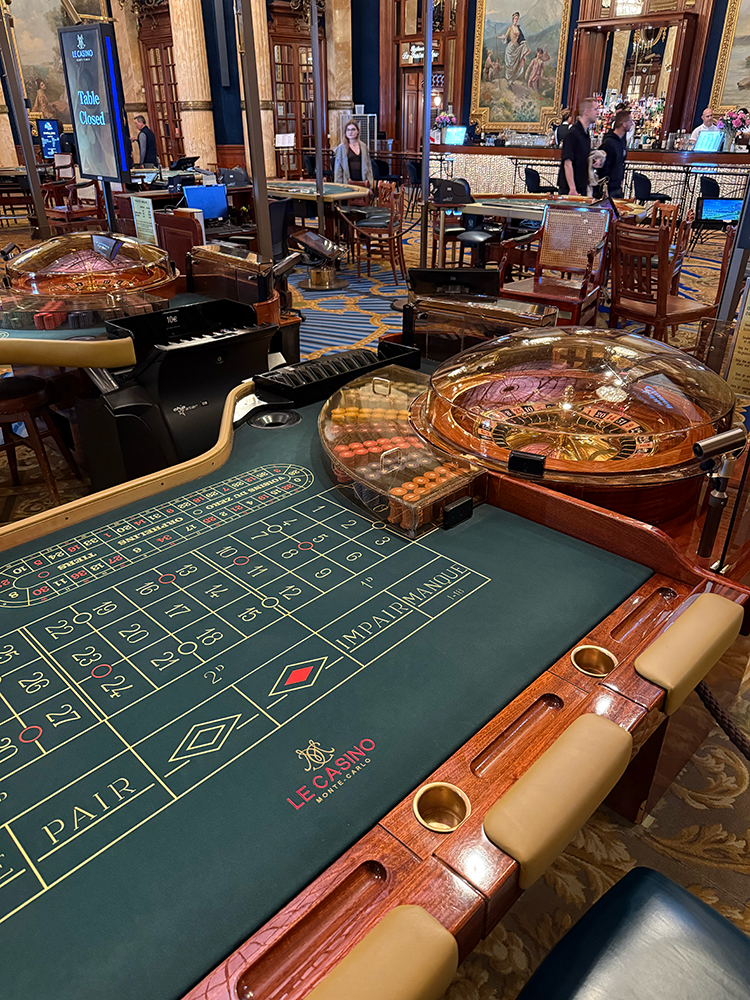
You get to Monte Carlo Casino in the morning, while you’re still allowed to take pictures, and tour the casino’s opulent rooms. You take a bus to the Rock and accidentally make it to the Prince’s Palace at 11:55, just in time for the changing of the guards. You take an audio tour of the palace and hear the jarringly American voice of Albert II, Prince of Monaco, whose mom was the American actress and Princess of Monaco Grace Kelly.
All day, you see the ad-hoc stadium and the road track that snakes around the country for this weekend’s Monaco ePrix. You see the impressive array of cacti at the Jardin Exotique and the impressive array of sea creatures at the Oceanographic Museum (which, you learn, was directed by Jacques Cousteau for decades). The border between Monaco and France is indiscernible; any street could separate Monégasque buildings on one side from French buildings on the other.
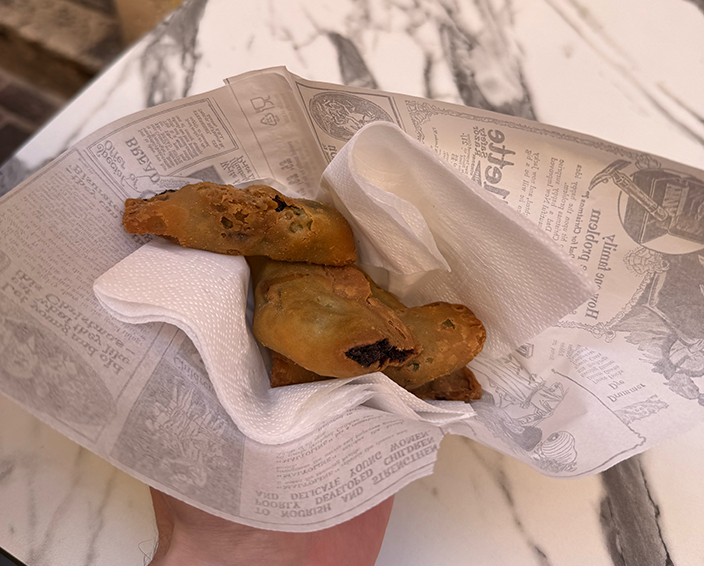
You try barbajuan (spelled “barbagiuàn” in Monégasque, and literally meaning “Uncle John”), Monaco’s national dish, at La Pampa; they amount to deep-fried spinach-and-cheese empanadas that seem like they just came out of the microwave. You spend the day searching for stocafi (stockfish), which various websites claim is a secondary national dish, but after finding it on zero dinner menus, you conclude it’s some kinda citogenesis.
You go back to the casino, get a few blackjacks, and then lose the rest of your chips playing roulette. You have a lovely dinner at La Montgolfière. Monaco’s been good to you.
Get ready to learn Italian, buddy. The next day, you take the regional train to the end of the line, just across the border to the liminal Italian town of Ventimiglia. You have some time to kill, so you get some Italian cookies and espresso.
You grind Duolingo Italian on the train to your next stop, Italy’s finance and fashion capital, Milan. The public transit here is prompt and convenient, and the metro has these cool wavy seats. Wondering how you can have all three major Milanese delicacies in one night—risotto, osso buco, and cotoletta (a breaded veal cutlet)—you luck into Il Cairoli’s Milanese Experience, which conveniently packages them all into one feast.
You behold the fractal-like intricacies of Il Duomo, you see the surprisingly extensive modern art collection at Museo del Novecento, you have some panzerotti at Luini, and you get the first of many, many gelati at Ciacco. But remember, this is just a sidequest.
***
Get ready to learn German, buddy. You grind Duolingo German on your way past Lake Como, into Switzerland, and through the world’s longest rail tunnel (with surprisingly functional Wi-Fi); you learn how to say the “ch” in “ich” (it’s like the palatalized “h” in “huge”); and soon enough, you’re in Zurich.
You make a beeline to the beer hall Zeughauskeller, where you can get the local specialty Zürcher Geschnetzeltes. It’s #47 on the menu, listed as “Kalbsgeschnetzeltes nach Zürcher Art” (Zurich-style veal strips). You point to it as you order, butcher the name, and ask the waiter, “How do you actually say it?” He replies, “Forty-seven.” It’s handily one of the best meals of the trip, possibly biased by the two beers you each have.
The next morning, you grab a giant pretzel, take a train along breathtaking Alpine views to the Swiss town of Sargans, and hop aboard a LIEmobil bus. The “LIE” here can only mean one thing.
Liechtenstein
Area 62 mi² Population 41,237 Capital Vaduz Largest city Schaan Official language German National dish Käsknöpfle
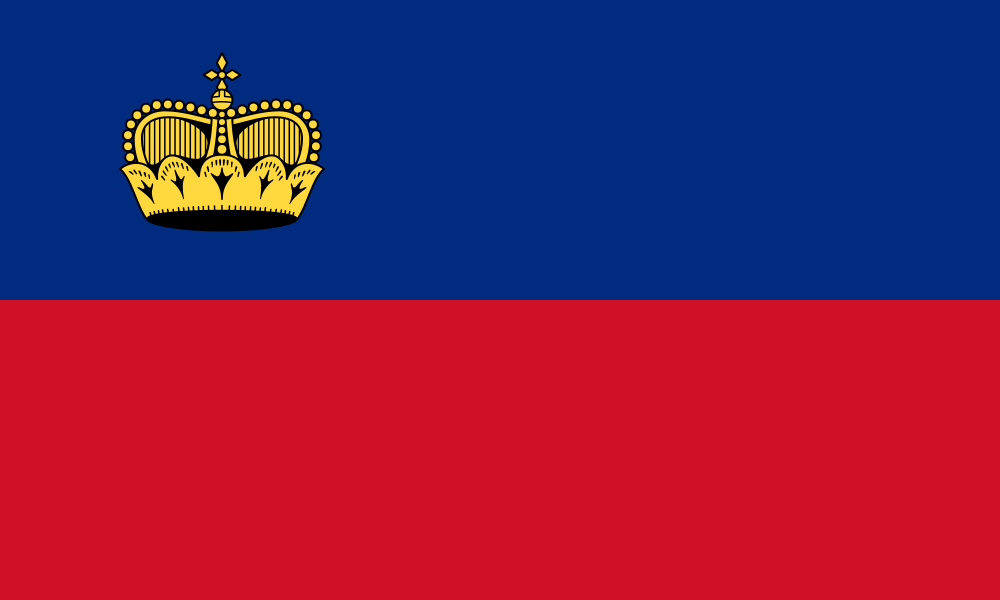
Welcome to the jewel of the Rhine. The Andorra of the Alps. The one where they speak German. You arrive in the capital, Vaduz (pronounced “fah-DOOTS”, as it turns out). Like Andorra la Vella, it’s framed by mountains on either side, these ones even taller. Midway up one of them lies the imposing Vaduz Castle, home of Hans-Adam II, Prince of Liechtenstein (that’s 4 princes in 3 microstates, for those of you keeping track at home).
There are way more tourists than you expected, clumped together along the wide brick road that winds through the center city. Nevertheless, it’s quiet. There are no cars in sight.
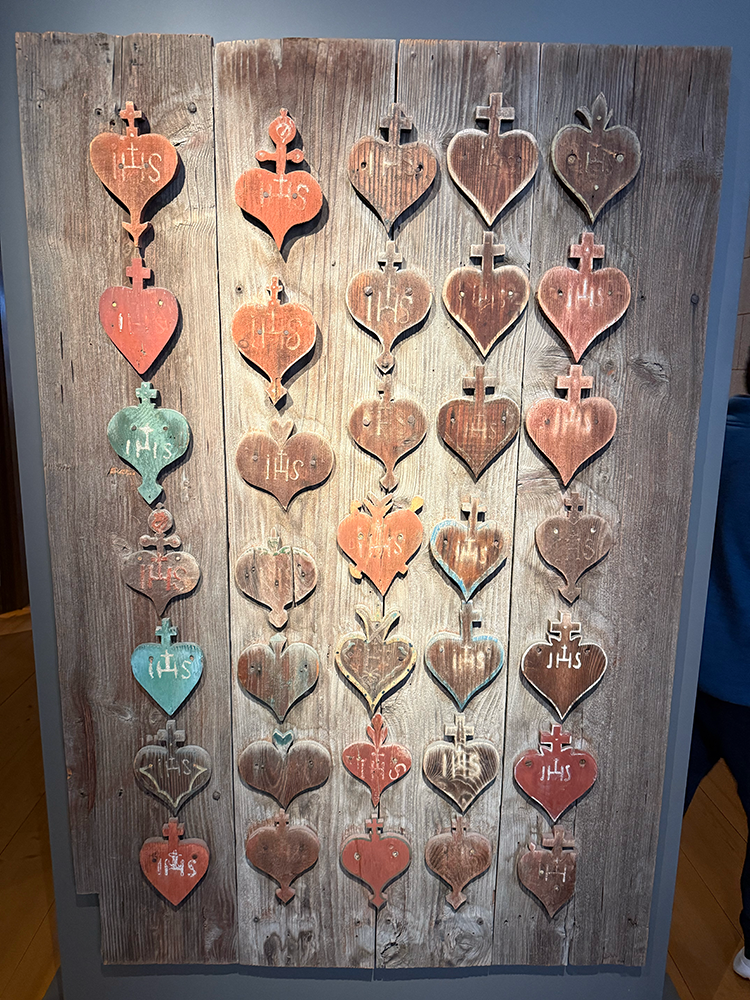
You go to the National Museum, where you see a seemingly exhaustive collection of Liechtenstein-related objects, from the uniquely Liechtensteiner alpine descent hearts that decorate cattle upon their ceremonial return to the valley, to Liechtenstein’s allotment of the moon rocks that Apollo 11 brought back for 135 different countries.
You go to Kunstmuseum, where you see some conceptual installation art and what’s gotta be Liechtenstein’s only Rothko. You go to the PostalMuseum, where you see a vast assemblage of Liechtensteiner stamps. You hike up to Vaduz Castle along a trail oddly reminiscent of Andorra’s Rec del Solà.
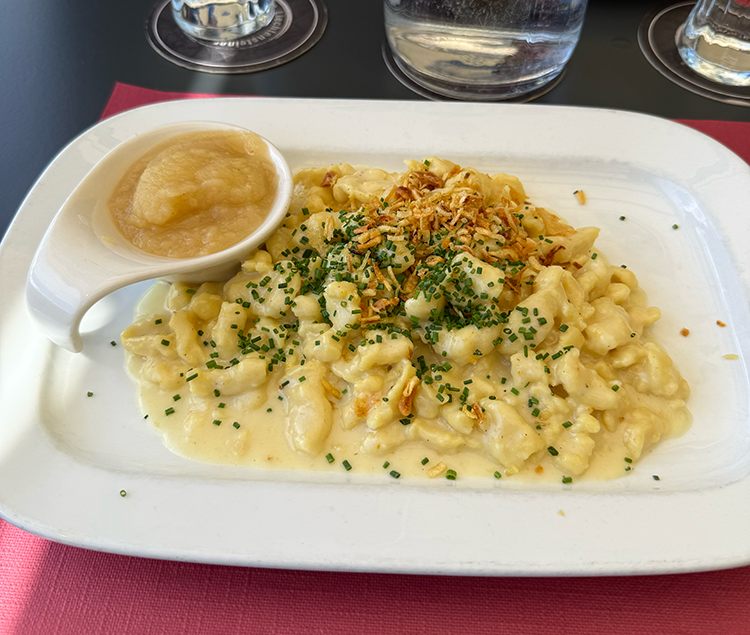
For lunch, you knock out käsknöpfle, the national dish of spätzle ‘n’ cheese, at Restaurant Engel. It’s the best national dish thus far. For dinner, you decide to take a bus to what’s barely Liechtenstein’s largest city, the nearby Schaan. Schaan is bustling—you coincidentally caught the tail end of the 100th annual Schaan Fair, street vendors packing up but carnival rides still in operation. You have some funky mountain-cheese cordon bleu and some Liechtensteiner pilsner at Rössle, and you call it a day. Liechtenstein’s been good to you.
You take the LIEmobil back to Sargans, grab Swiss chocolate bars at the train station, and eat them on the train back to Zurich “like two little kids at a Swiss birthday party,” according to the Swiss lady across from you.
***
Get ready to learn Italian again, buddy. It’s time to go back from whence you came. Back through the world’s longest rail tunnel, back past Lake Como, and a quick pit stop back in Milan, where you verify that All’Antico Vinaio is at least as good in its native Italy as it is in New York.
One espresso and one Trenitalia train later, you make it to your next destination, the coastal city of Rimini, in the region of Emilia-Romagna. You dine at Osteria de Borg, enjoying some local wine and typical Emilian–Romagnol pastas like cappelletti (with an amazing carrot sauce) and tagliatelle al ragù. You see a really old arch. You do some laundry.
But deep in the distance, away from the Adriatic Sea, you see a broad mountain dotted with buildings. That’s what brings you here. Early the next morning, you board a shuttle bus in that direction.
San Marino
Area 24 mi² Population 34,154 Capital San Marino Largest city Dogana Official language Italian National dish Torta Tre Monti
The road up to San Marino is a winding one. The country’s capital (which itself is called San Marino, or Città di San Marino, or just Città) lies atop Monte Titano, the mountain you saw from afar, giving the city the inverse shape of Andorra la Vella or Vaduz.
Once you pass through the city’s pearly gates, you’ll quickly feel caught between the old (beige everything, Corinthian columns—San Marino is the world’s oldest continuously existing country, after all) and the new (hyper-commercialized tourist kitsch, with countless souvenir shops and even a Museum of Illusions).
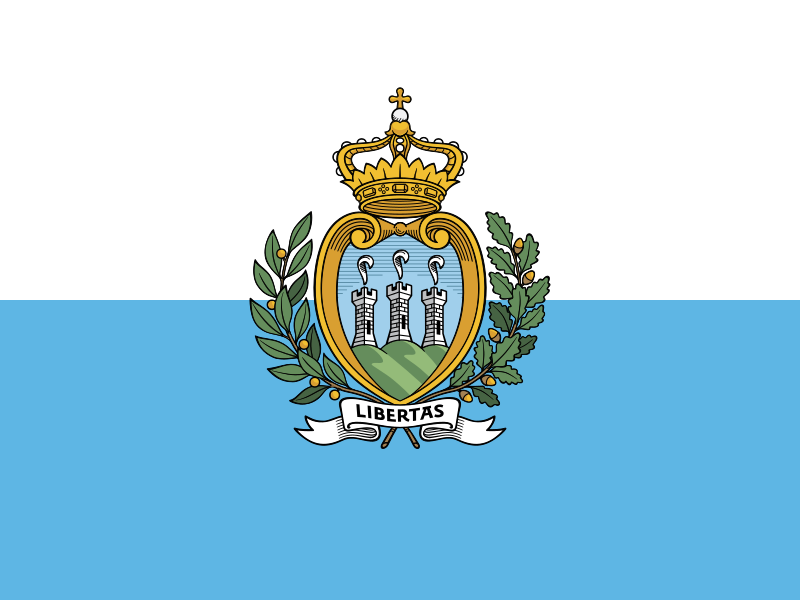
The city’s centerpieces, also emblazoned on San Marino’s flag, are its Three Towers, medieval stone fortresses that crown three of the mountain’s local maxima. You walk to the first tower, which is temporarily closed for maintenance. You walk to the second tower, which houses a mini-museum of arms and armor, and offers a great view of the first tower. You walk to the third tower, which is not open to the public.
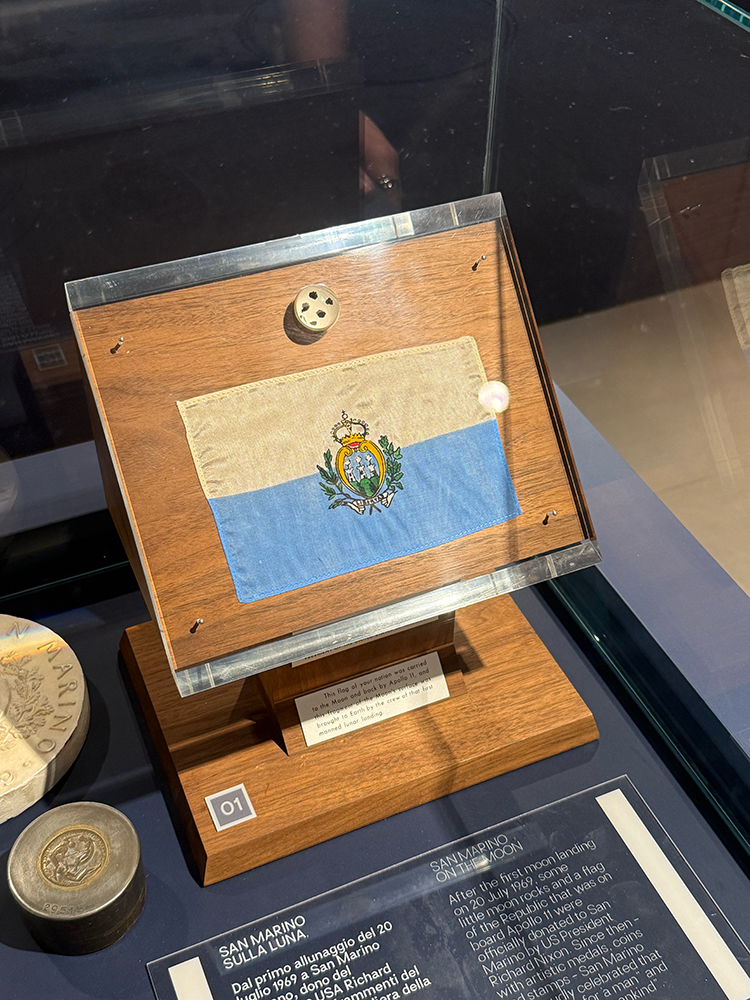
You go to the State Museum and see various Sammarinese artifacts, and you go to the Stamp and Coin Museum and see lots of stamps, lots of coins, and, would you look at that, San Marino’s share of Apollo 11 moon rocks. You muse that maybe, as countries get smaller and smaller, they get distilled to the kinds of things that make a country a country: stamps, coins, and moon rocks.
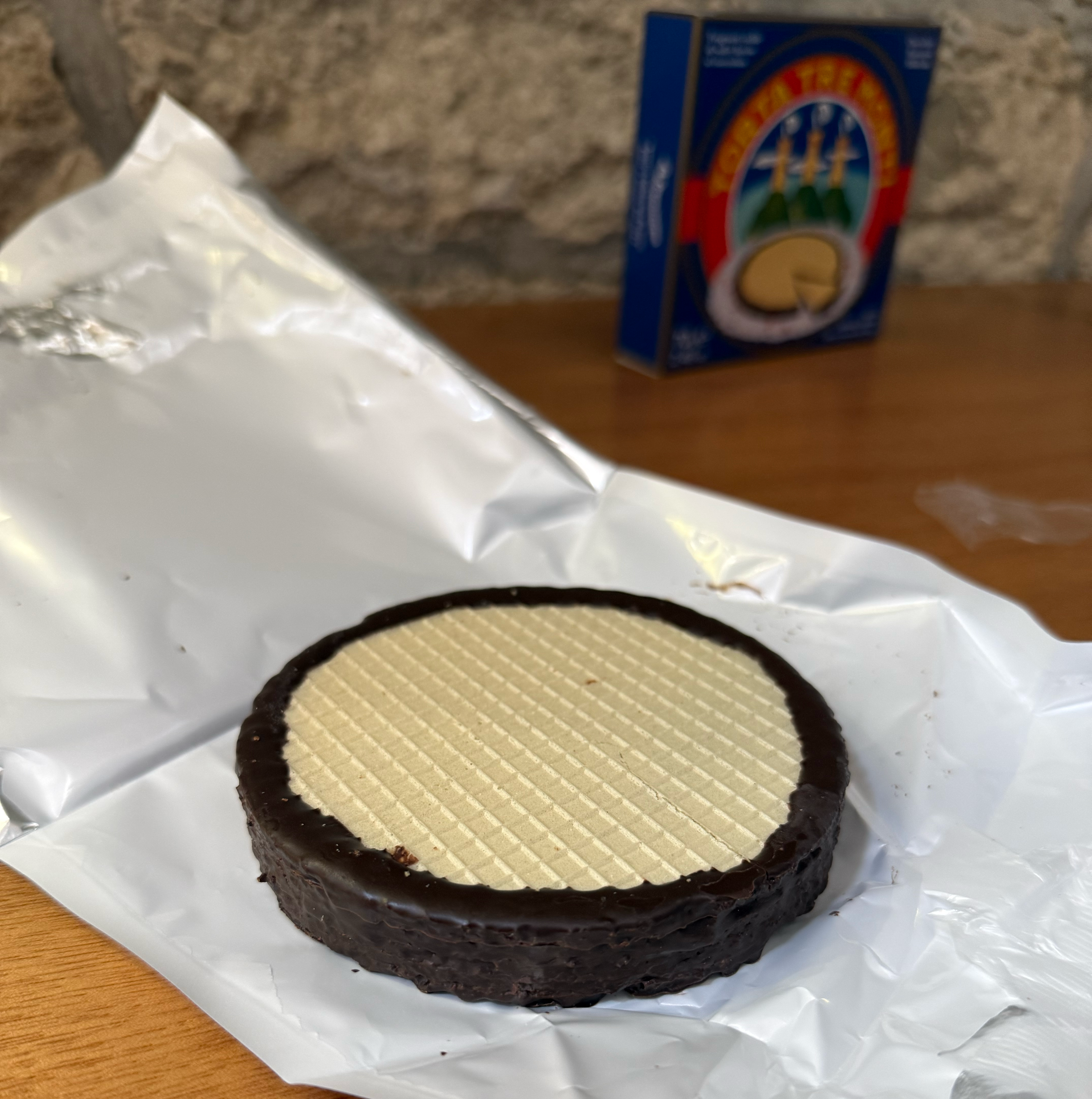
Foodwise, Sammarinese cuisine seems to draw largely from its Emilian–Romagnol surroundings. You have a satisfying piadina for lunch at Bar Euphoria, paired with an oversized Aperol spritz. As a snack, you find the purported national dish, Torta Tre Monti, at a convenience store. It’s a pre-packaged wafer cookie with a chocolate fondant circumference. It’s fine.
You board the bus back to Rimini, content that you’ve seen what needed to be seen. San Marino’s been good to you.
The next day, you take a Trenitalia to Bologna, and transfer to another Trenitalia that goes straight through Florence. All roads lead to Rome.
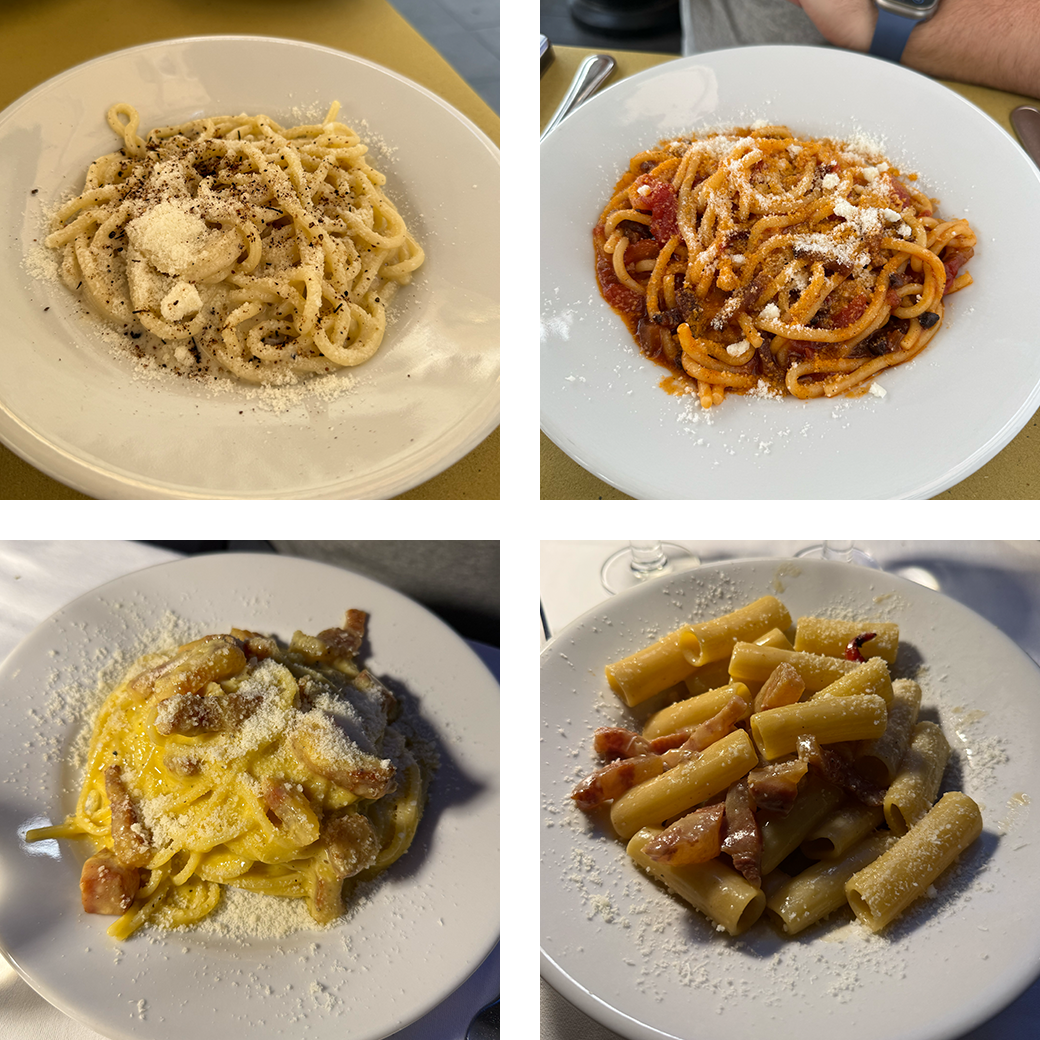
While you’re here, you might as well do as the Romans do. You set out on the sidequest-within-a-sidequest to eat all four of the four Roman pastas—a tetrad that you’re half-convinced is another instance of food-blog citogenesis and not an established local canon, but they’re all easy to find. You end up doing so all in one day: spaghettoni cacio e pepe and all’amatriciana for lunch at Piatto Romano, and spaghetti carbonara and rigatoni alla gricia for dinner at Trattoria dal Cavalier Gino.
Of course, you also visit the Colosseum and the Trevi Fountain and the Spanish Steps and the Capitoline Museums and the Roman Forum and the Pantheon. You have more gelato than you should.
But the reason you’re here is that Rome, unlike any other city in the world, has a country inside of it.
Vatican City
Area 0.17 mi² Population 882 Capital Vatican City Largest city Vatican City Official languages Italian, Latin National dish ???
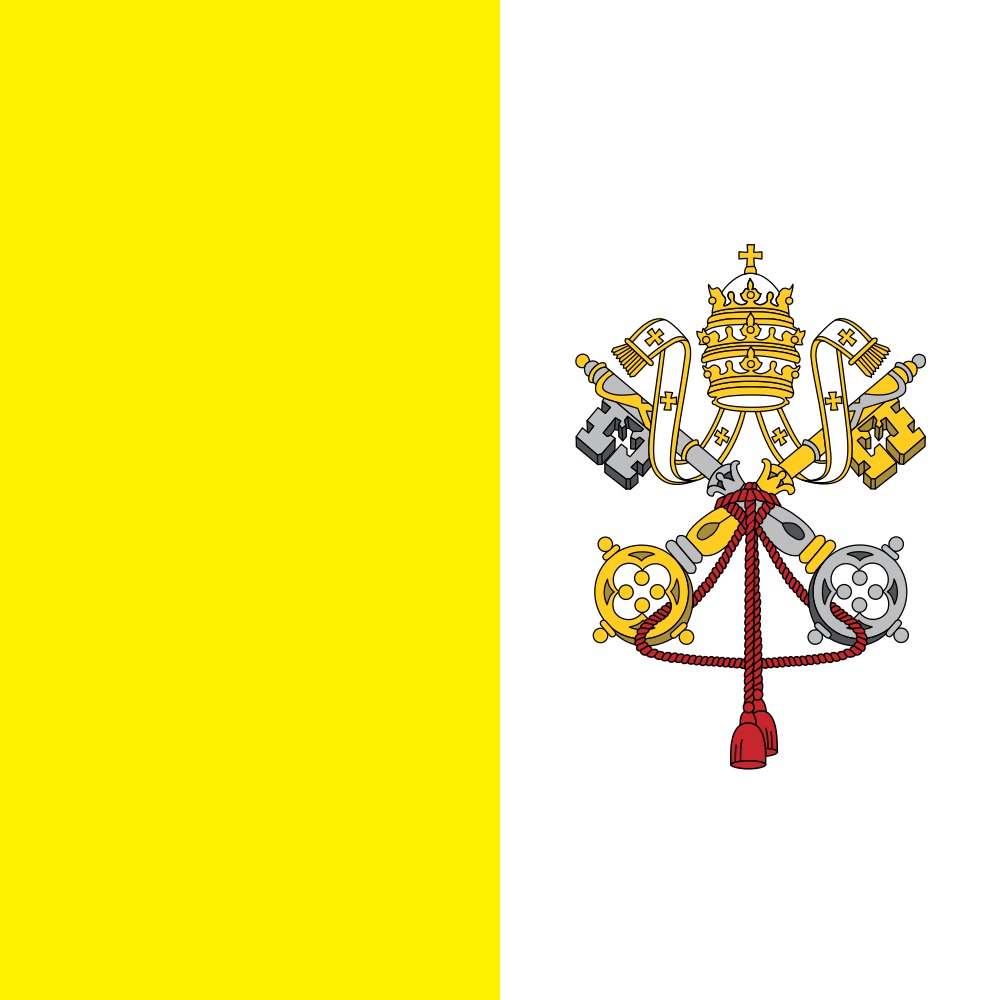
After a delayed early-morning metro ride and a mess of lines, you make it through the dam-like walls that surround the world’s smallest country. Welcome to Vatican City.
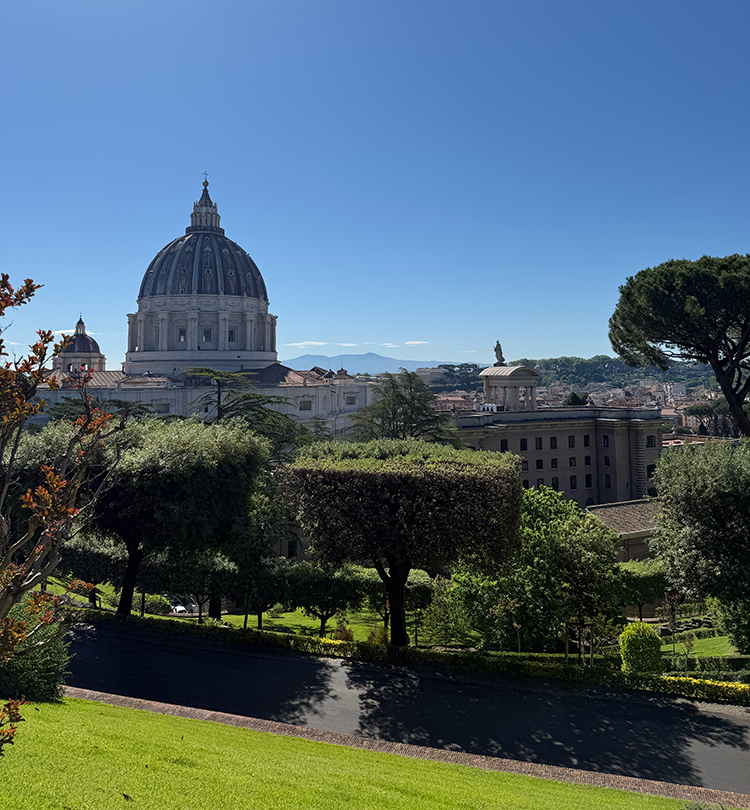
You’re inside the lobby of the Vatican Museums, the starting point of the garden tour that you’ve booked in advance. Led by a jolly English-speaking tour guide, you explore the gardens that comprise more than half the country’s area and are otherwise closed to the public. You try to find da pope. You see various monuments to various past popes, and some lovely flowers, and some turtles (like from Conclave !). You find an outdoor water fountain and fill up your water bottle with what you decide is holy water.
You’re led back through the museum, through the uber-crowded Gallery of Maps, and into the Sistine Chapel, where you look up at The Creation of Adam and feel seen.
Unfortunately, Vatican City has no real national dish. But Justin has a rule that you’ve only visited somewhere if you’ve eaten a meal there, so you have a chocolate cornetto and an espresso at the museum café. That’ll do.
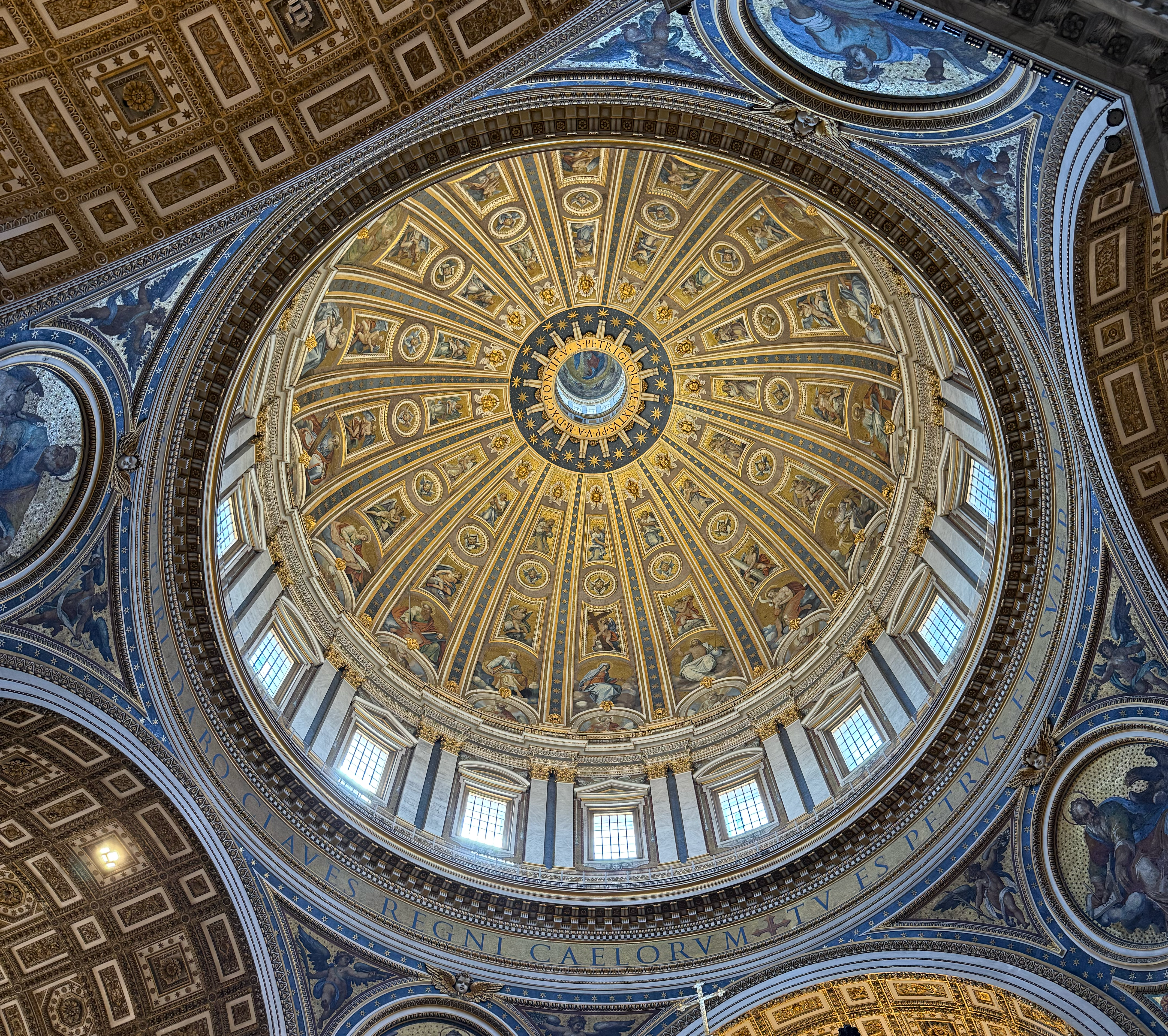
After a real lunch back in Italy, you wait in a very long, very hot line in St. Peter’s Square, the only part of Vatican City that isn’t walled off. At last, you enter St. Peter’s Basilica, the largest church in the world (by area), and marvel at its comically ornate interior. You remember you’re inside the headquarters of the largest sect of the largest religion in the world, so it makes sense that they made it look as epic as they possibly could.
No pope spotted, but that’s alright. Vatican City’s been good to you.
5 down, 1 to go. To get there, you’re gonna have to head south, all the way down to the bottom of Italy.
After your umpteenth Trenitalia ride, you gratuitously spend a day in Naples, where you exercise your free will and have Neapolitan pizza for both lunch and dinner, at Pizzeria Pellone and Pizzeria da Attilio respectively. You experience the city’s bizarro transit system, take a funicular, split a sfogliatella, see the room dedicated to erotic art at the National Archeological Museum, explore Castel Sant’Elmo, get a view of Mount Vesuvius, and have excellent creative cocktails at L’Antiquario.
The next leg of the trip might be the wackiest. Your next stop is Syracuse, and the best way to get there is the Intercity Notte: a sleeper train that reaches the bottom of mainland Italy, gets loaded car-by-car onto a ferry in the middle of the night, crosses the Strait of Messina to reach the island of Sicily, gets reassembled, and continues on its merry way.
***
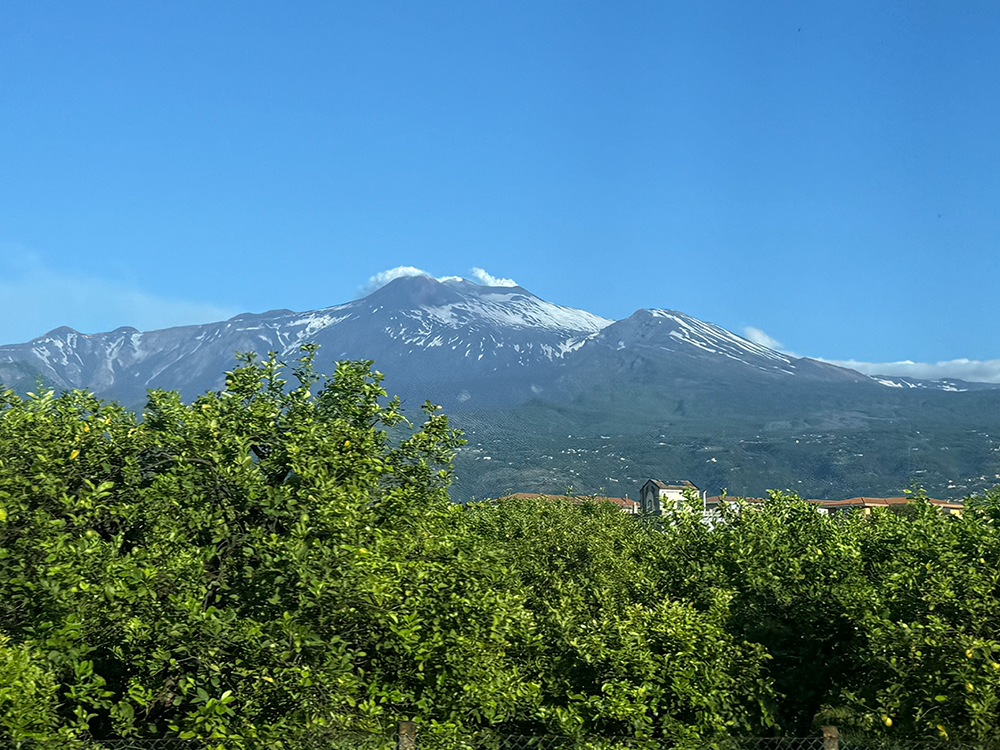
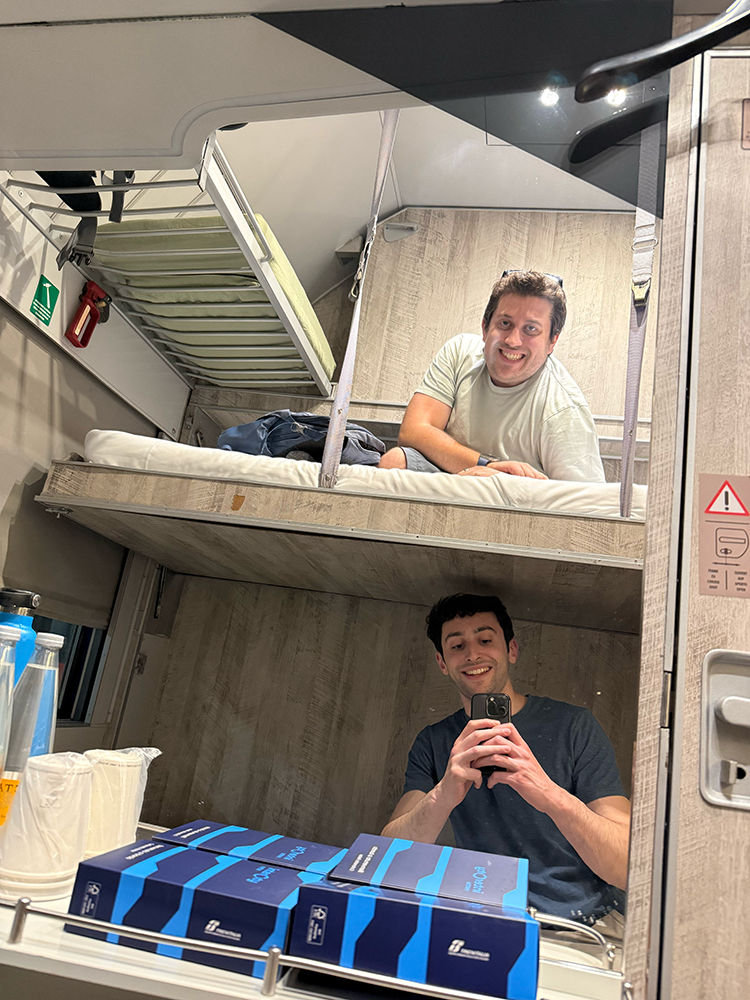
Justin, in the bunk above you, wakes you up to a sweeping view of the actively erupting Mount Etna. At first you think its plume of smoke is just a cloud behind it. The train’s disassemblement-and-reassemblement process amounted to a symphony of clanks that you more or less slept through. You keep chugging along through Sicily.
Now you have a day to kill in Syracuse. Once you cross the bridge to the island of Ortigia, you realize the place is teeming with tourists, but at least that means there’s plenty of souvenir shops to find something for your friend who’s doing an MFA at Syracuse. You see the Temple of Apollo and the Castello Maniace and the statue of Archimedes, who was from here. You get giant sandwiches from Caseificio Borderi, and since you’re in Sicily, you have a massive arancino and a deeply refreshing granita and a Platonically ideal cannolo. Absolutely none of the toilets here have seats.
You take a nearly empty train to the very random town of Pozzallo. After a rather sketchy taxi ride to the ferry port, you get dinner with a sea view at the only place in sight, Divinity 2.0, where the waitress brings over a platter of two freshly caught fish and asks you to pick one. Your fledgling Italian skills are stretched to their limits.
At long last, you board the gargantuan ferry—decked out with slot machines and a duty-free store—that will carry you to your final destination.
Malta
Area 122 mi² Population 574,250 Capital Valletta Largest city St. Paul’s Bay Official languages Maltese, English National dish Stuffat tal-Fenek
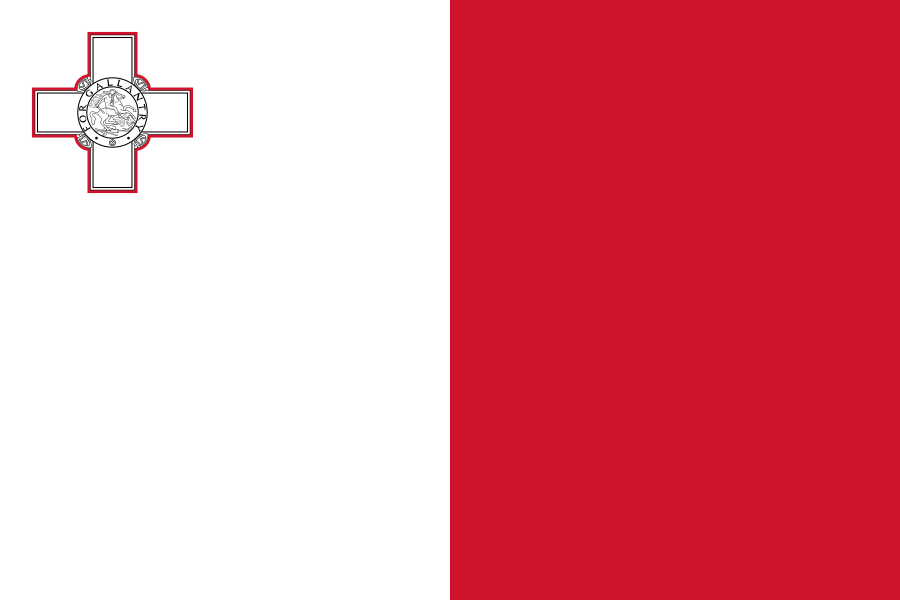
18 intercity trains, 6 intercity buses, and one 2-hour ferry ride later, you’ve done it. Welcome to Malta, the sixth and final microstate.
What immediately disorients you is that Malta drives on the left, thanks to British colonization. Their wall sockets are the British type, too. Pretty much everyone here speaks English, but signs are in a combination of English and Maltese (a language identifiable by its Ħ’s, and by so many Q’s and X’s and Z’s that every sign looks like a pangram).
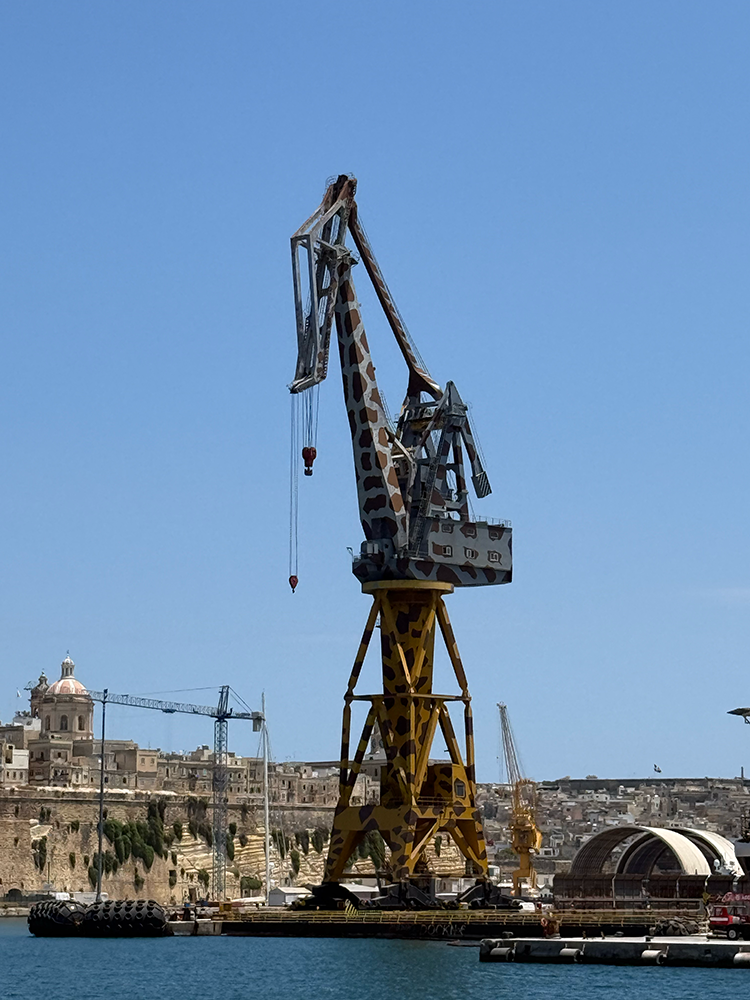
You take a ferry tour around the harbor, past medieval fortifications and enormous cruise ships and a huge crane painted like a giraffe. You walk through the touristed stone streets of Valletta, the smallest capital in the European Union. All over the place, you see flags for the Sovereign Military Order of Malta, the “country with no territory” that seems suspiciously present on this territory.
You try to find Malta’s moon rocks, only to learn that someone stole them in 2004.
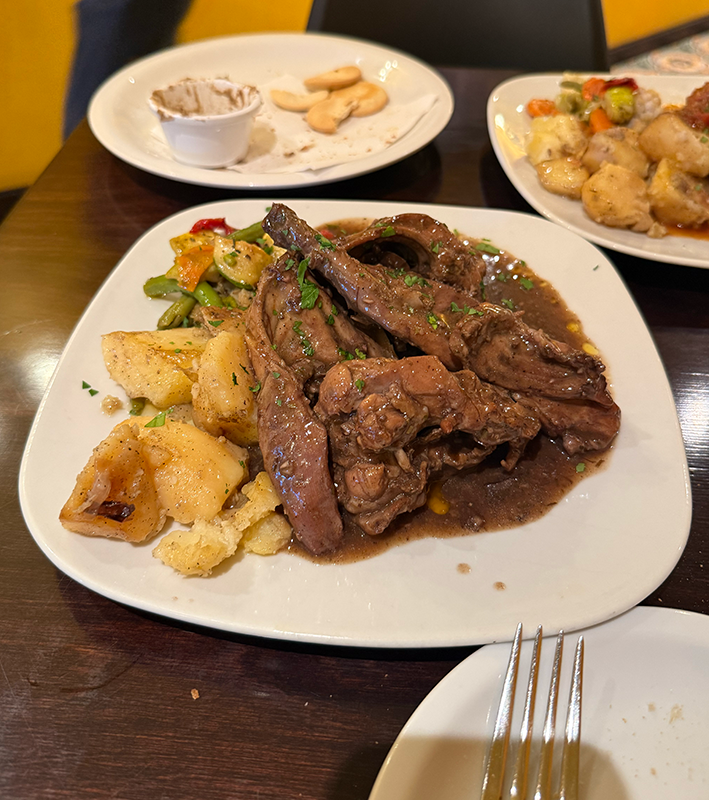
Malta’s national dish is the rabbit stew Stuffat tal-Fenek, which you get at Ta’ Kris. It’s rich and tasty, but the bones are definitely a pain to eat around. You wash it down with a Cisk (pronounced “chisk”), the omnipresent local lager that you end up having on three separate occasions. You also try Kinnie, the bittersweet soda owned by Cisk that claims to be Malta’s national soft drink. And before spending some time in the ancient walled city of Mdina (pronounced “im-DEE-nuh”), you get delicious pastizzi (Maltese savory pastries) at the nearby Is-Serkin.
You have expertly concocted cocktails at ¡La Luz!, where you strike up a conversation with the Montrealer next to you who turns out to own the bar. You wish you could be a regular here.
And you finally drink the Ratassia liqueur that you bought in Andorra. It’s aggressively anise-forward and a tad cloying, maybe because you’re using hotel glasses that are far too wide for a digestif. But that’s okay—true to the three S’s of Andorra, you’ve successfully smuggled it all the way to the last microstate.
You head to Malta’s only airport and leave the realm of land and sea for the first time since Barcelona. Malta’s been good to you.
If the trip was like a video game, your overnight layover in Copenhagen feels like the post-game content. You do the important things—stop by the Little Mermaid statue, get a Lego set from a Lego store, see that port everyone always takes pictures of, and eat a cardamom bun and some smørrebrød and a hot dog.
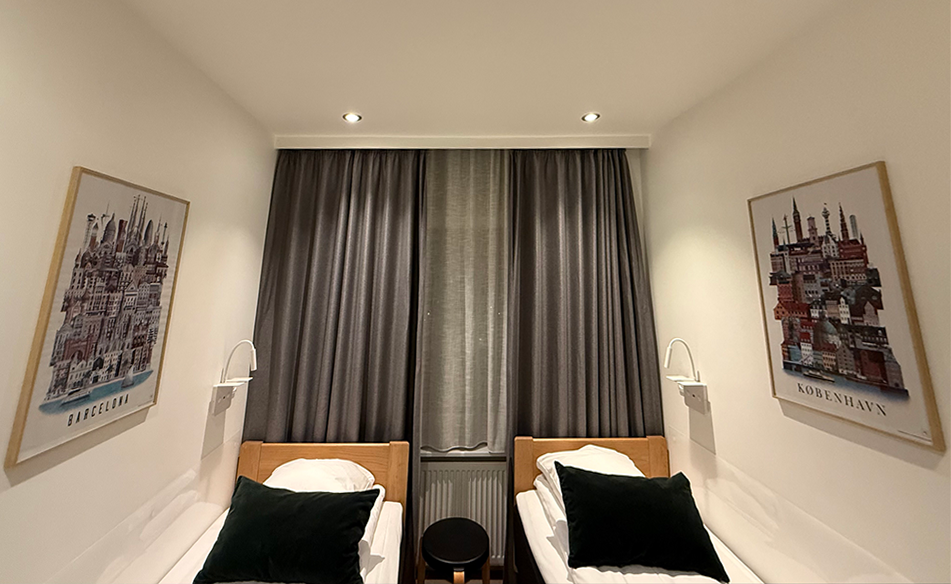
And somehow, the posters flanking your hotel room depict two cities—Barcelona and Copenhagen, the two bookends of your journey.
The end
At the end of it all, you’ll come away with some basic Italian, and some very basic German. You’ll have taken 335,879 steps. You’ll have eaten good. And you’ll have learned there’s more to each microstate than you thought: the Earth is large, and even the smallest countries contain multitudes.
And if you do all that, it’ll probably be the best trip of your life. But maybe that’s just me.